






For more LED installation help, see our full FAQ guide here.
What are LED strip light channels/profiles?
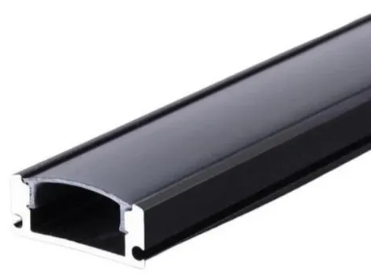
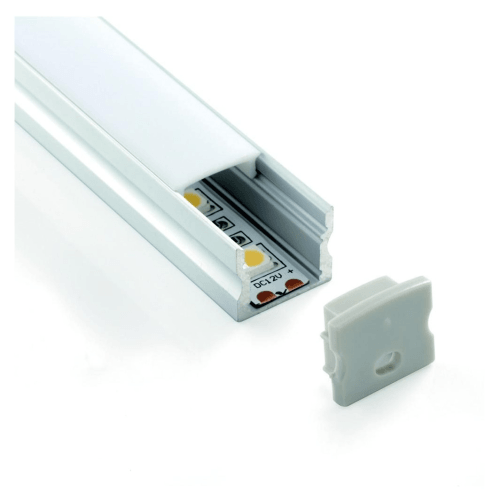
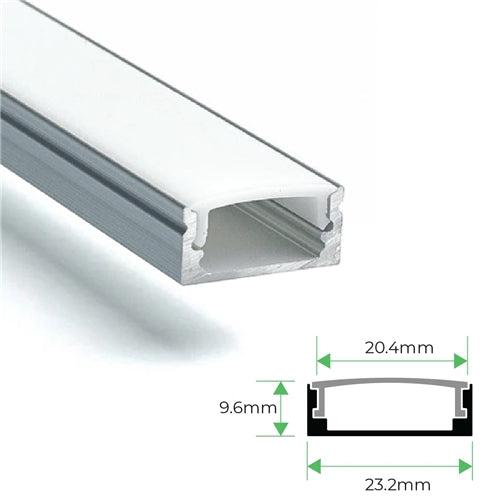
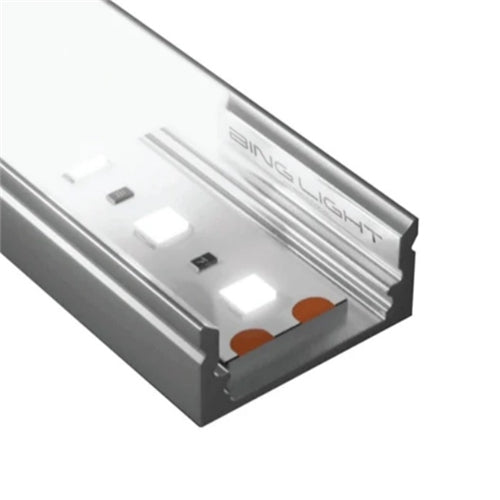
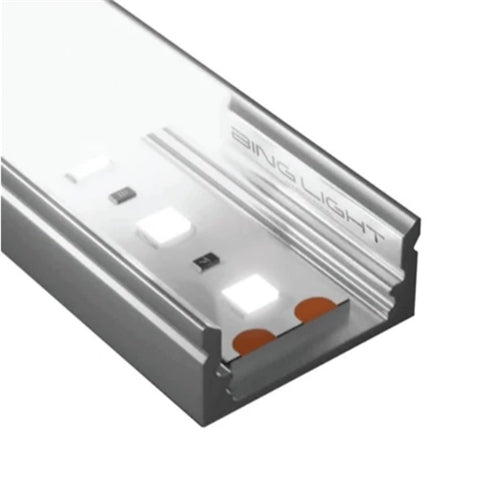
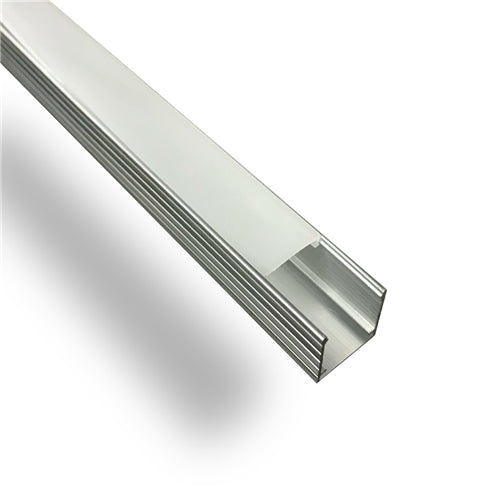
LED strip light channels (also called LED profiles or LED extrusions) are housing units — typically made from aluminium — designed to hold and protect LED strip lights. They provide a polished, professional look while diffusing light evenly and aiding in heat dissipation, which extends the lifespan of your LEDs. They come with a cover/diffuser (clear, frosted, Black or opal) for different lighting effects.
What is the difference between an LED channel and an LED profile?
They're the same thing — the terms are used interchangeably. "LED channel" and "LED profile" both refer to the aluminium extrusion that houses an LED strip. "Extrusion" is another common term. Different brands and regions may favour one name over another, but the product and function are identical.
Do I need an LED channel for LED strip lights?
While LED channels are not an absolute necessity for every installation, they are highly recommended for professional or visible installations, harsh environments like kitchens or outdoors and anywhere you want to maximise the lifespan of your LED strips. They deliver a clean, finished look that bare strips simply can't match.
What types of LED channel profiles are available?
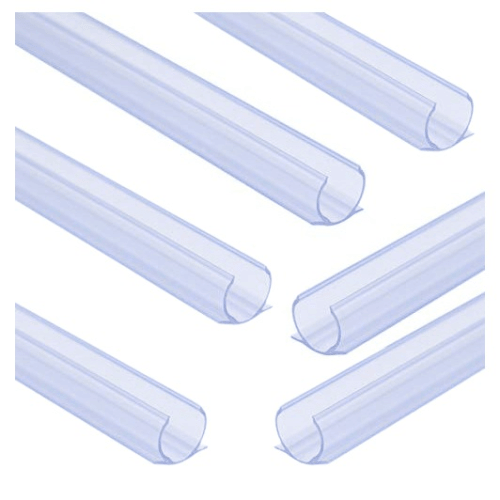
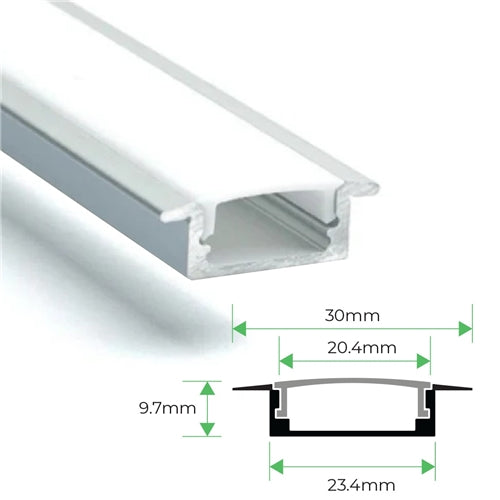
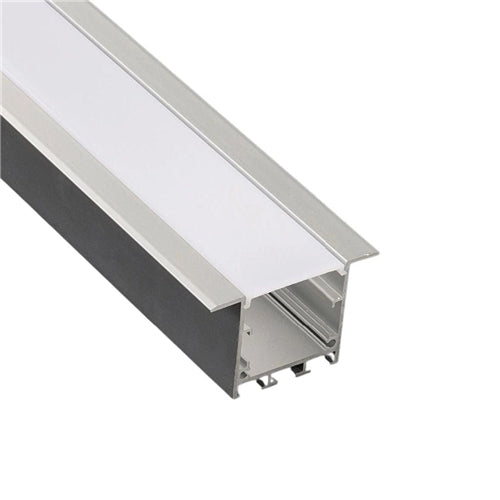
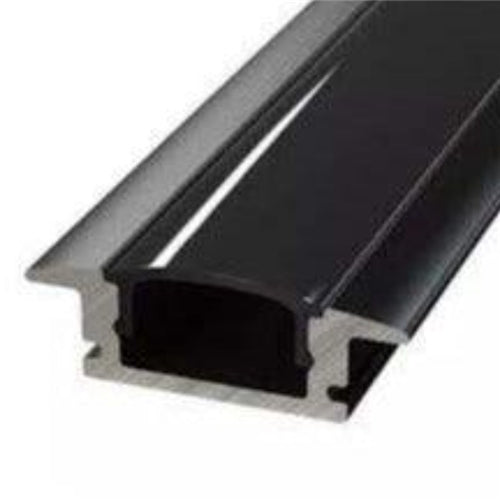
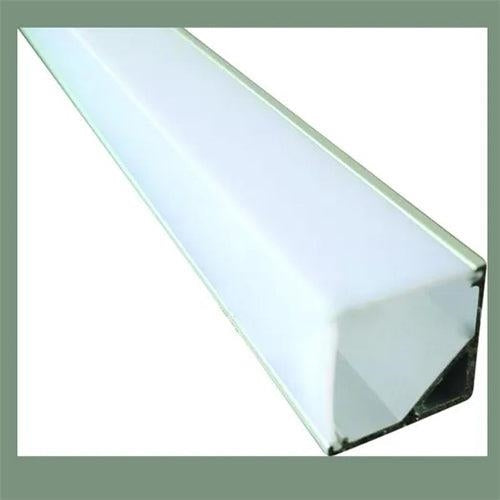
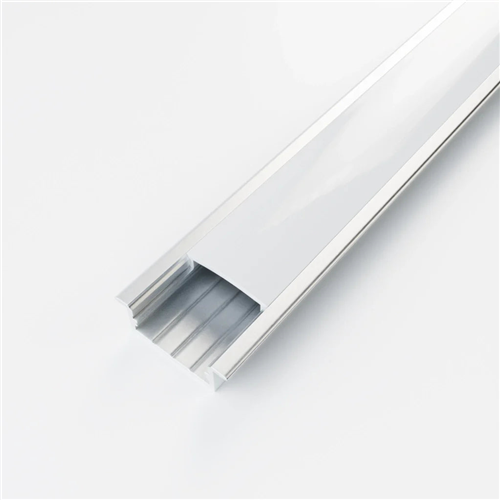
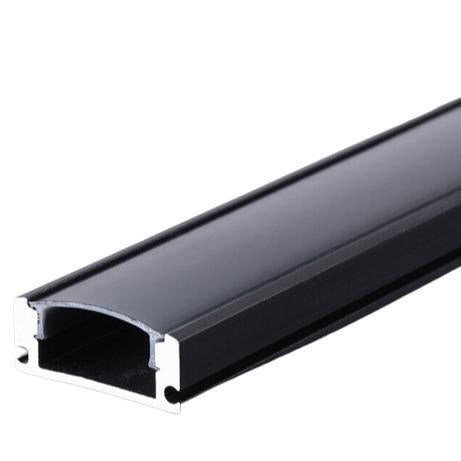
The main types include surface-mounted (U-shape) channels for flat surfaces like under cabinets and shelving; recessed channels for a seamless built-in look; and Corner/angled profiles are also available for 45° or 90° installations.
What is the difference between a surface-mount and a recessed LED profile?
A surface-mount profile sits on top of the surface and is the easiest to install — no routing or cutting required. A recessed profile sits flush within a groove cut into the surface (e.g. timber, drywall or plaster), creating a seamless, built-in appearance. Recessed channels are preferred for high-end architectural and interior design projects.
What size LED channel do I need for my LED strip?
The channel must be wide enough to fit your LED strip. Standard strips are 8mm, 10mm or 12mm wide — COB strips are often 8mm or 10mm. Always check the internal width of the channel against the PCB width of your strip. If you're using high-density or wider strips, opt for a wider profile. When in doubt, size up.
Do LED channels help with heat dissipation?
Yes — significantly. Aluminium channels act as a heat sink, drawing heat away from the LED strip and dissipating it into the surrounding environment. This keeps LEDs cooler, maintains lumen output, and can substantially extend the operational life of your strips — especially important for high-density or high-wattage installations.
How do I install an LED strip light channel?
Most channels install in three steps:
- Mount the base — screw, mount clip or use adhesive tape to fix the aluminium base to your surface.
- Insert the LED strip — peel and stick the strip into the channel base.
- Snap on the diffuser cover — press the cover into place.
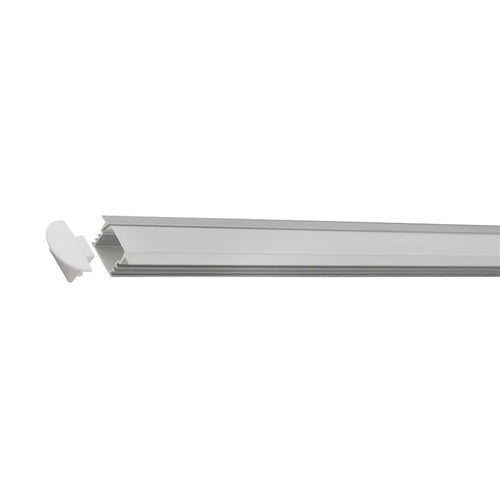
End caps are then fitted to finish the look. Always connect your wiring before fully sealing the channel.